Showing posts with label salmon. Show all posts

Friday, May 29, 2015

Salmon with Sorrel Sauce


The start of the Fairmount Neighborhood Farmers Market is just a week away, starting Sunday June 7, 10 AM-2 PM on the corner of Agate St. and 19th Ave., with fresh produce from Good Food Easy at Sweetwater Farm, pastured meat from Fair Valley Farm, and beautiful fresh cut flower bouquets from Tiger Lily Art Company. We've been enjoying our weekly Good Food Easy CSA throughout the year, and I especially appreciate how it brings new ingredients into our kitchen, like this lovely bunch of sorrel. 


With a new member of the family keeping us very busy, I was happy to discover a rapid and tasty salmon with sorrel sauce recipe on food52 from Mrs. Wheelbarrow. 


The original recipe prepares salmon medallions, but we kept it simple and broiled a whole filet. The creamy sauce was incredibly decadent, but the lemony freshness of the sorrel kept it bright. We feasted on our fish along with baby potatoes and salad, also from our CSA. You can look forward to all of this produce and more at the Farmer Market next weekend.


Salmon with Sorrel Sauce
adapted from Mrs. Wheelbarrow's recipe on food52serves 4
1 pound wild caught salmon filet
3 tablespoons butter
2 cups fresh sorrel leaves, chopped rough
1/2 cup chives
1/2 cup heavy cream
Salt and pepper

1. Adjust an oven rack to be at the very top of the oven. Preheat the broiler. 

2. Prepare all ingredients and stage. This dish comes together quickly and you don't want to be scrambling. 

3. Place the salmon on a sheet pan lined with parchment. Sprinkle salt and pepper over the fish.

4. When the oven is ready, put the salmon under the broiler. It will take about 3-5 minutes. You can make a small incision with a paring knife to check if it is cooked to your taste.

5. While the salmon is broiling, prepare the sauce. In a large, wide skillet, melt the butter until it starts to toast. It should be golden brown. Add the sorrel, chervil and chives to the butter and coat quickly. Allow them to wilt a little, and then pour in the cream. Bring to a boil and reduce just until the sauce coats the back of a spoon. Taste and adjust for salt and pepper. Remove from heat and serve with the salmon.

Saturday, May 31, 2014

Market Start and Grilled Fava Beans


The Fairmount Neighborhood Farmers Market starts this Sunday June 1! You can look forward to whole pastured chickens and a selection of grass-fed lamb cuts from Fair Valley Farm, and Good Food Easy at Sweetwater Farm will have the following offerings: 

Fresh
Artichokes
Baby Beets 
Broccoli
Cabbage (Green, Red, Napa, & Savoy!)
Carrots
Cauliflower
Chard
Collard Greens
Cucumbers
Fava Beans (large and baby)
Fresh Herbs (cilantro, dill, oregano, sage, thyme) plus our own home-grown lemon grass!!
Garlic (baby stalks)
Kohlrabi
New Potatoes
Spring Onions
Summer Squash
Fresh Strawberries!

Preserves
From Sweet Creek Foods:
Dill Pickles
Chili Dill Pickles
Bread 'N Butter Pickles
Pickle Relish
Blueberry, Strawberry, Blackberry, & Raspberry Fruit Spreads
Enchilada Sauce
Salsa
From SLO Farm: Applesauce

Bean & Grains
Our own Polenta & Cornmeal!
Assorted from Camas Country Mill


With those baby fava beans, I can highly recommend trying them grilled whole, which we had last week for my husband's birthday dinner, along with crispy salmon and sorrel sauce. See you at the market!


Grilled Fava Beans
from Ignacio Mattos, published by food52

1 pound fresh fava beans in their pods, the younger the better
1 teaspoon fleur de sel
1 teaspoon ground chile pepper
1 teaspoon picked rosemary
3 to 4 cloves chopped garlic
1/4 cup extra-virgin olive oil, plus more to finish
2 tablespoons water
1 lemon
7 or 8 canned anchovies in oil, chopped finely
1 handful toasted bread crumbs (optional)

1. Mix first 7 ingredients together in a large bowl. Toss to coat the fava pods, then place them on the grill over medium-high heat.

2. Grill favas for several minutes, until charred, then flip them over and char the other side, cooking until the pods seem about to open. You can use a grill pan for this.

3. Remove pods from grill, return them to the mixing bowl, and squeeze the lemon over them. Toss the pods to coat. Check the seasoning, and add salt if necessary.

4. Add the anchovies to the bowl, mixing well.

5. Place the pods on a serving platter, drizzle to taste with olive oil, and sprinkle the bread crumbs on top, if using. Serve hot or at room temperature.

Sunday, May 26, 2013

Buckwheat Noodles with Fava Beans and Arugula


Major news alert: the fourth season of the Fairmount Neighborhood Farmers Market is scheduled to start on Sunday June 9th. The market will be held each Sunday during the summer from 10 AM to 2 PM at the Sun Automotive lot on the corner of Agate St. and 19th Ave. You can make the corner you one stop shopping for the week with a wide variety of fresh fruits and vegetables, as well as jams, sauces, and preserves from Sweetwater Farm, pastured meats from Fair Valley Farm, and baked goods from Eugene City Bakery


Despite the sometimes blustery weather we've been having, spring is really here, as evident by the increasing diversity of local produce available. Some of the earliest treats are gem-like fava beans that always seem so special to me that I feel compelled to pair them with homemade pasta. This year, I strayed from Italy toward Asia, inspired by a recipe for buckwheat pasta from The Greens Cookbook, which seemed like a perfect use for the last of my Lonesome Whistle Farm buckwheat flour. These homemade soba noodles were delicious tossed with plenty of peppery arugula and foraged fresh herbs (mint, fennel fronds, and chives) and served with baked salmon. Remember to mark your calendars for the June 9th and please spread the word by printing this poster and putting it up around the neighborhood.


Buckwheat Pasta with Fava Beans and Arugula
serves four

pasta
1 cup buckwheat flour
2 cups white flour
1/2 tsp salt
4 eggs
~1/4 cup water

toppings
1 lb fava bean pods (or as many as you can shell and peel)
2 large handfuls arugula 
plenty of fresh herbs, such as mint, fennel fronds, and chives
olive oil
zest and juice from one lemon
salt and fresh black pepper to taste

1. First prepare your pasta toppings. Remove the fava beans from the pods. If you are willing to do the extra work, blanch them for 1 minute in boiling water and then remove the inner green parts of the beans from the paler casing. Zest and then juice the lemon. Rinse and roughly chop the arugula and fresh herbs.

2. Set a large pot of salted water boiling on the stove for the pasta.

3. To make the pasta dough, combine the ingredients in a food processor and mix. The buckwheat flour absorbs liquid, so you will probably need to add a little water for the dough to just starts to come together in a ball. 

4. Pat the dough together into a log, cut into about 12 pieces, and pat flat. 

5. Use a hand crank pasta machine to roll out the dough, starting with the widest setting and narrowing it by increments of 2, ending on the second to last thinnest setting. Then cut the dough into fettucini.

6. Cook the pasta in rapidly boiling water until the noodles are just cooked but still have some bite, about 2 minutes. 

7. Drain the pasta and dump it into a large serving bowl. Pour over olive oil, lemon zest and juice, arugula and fresh herbs, and fava beans and toss well. Season with salt and pepper to taste. Enjoy.

Saturday, March 24, 2012

Salmon and Barley Cakes


This golden hulless barley from our Lonesome Whistle Farm bean and grain CSA has a nutty flavor and enough virtuous, whole grain appeal to justify a rich and cheesy accompaniment. Growing up, one of my mother's weeknight pantry meals was Julia Child's salmon gratin (from Mastering the Art of French Cooking, volume 1). It consists of a rich, creamy roux, laced with white vermouth, into which you fold canned salmon and sauteed mushrooms, followed by a heavy sprinkling of gruyere cheese. My mother always served her salmon gratin with white rice, but my sister later made the improvement of using nutty brown rice. Julie Powell's Julie/Julia Project (no longer on line) derided this dish as grey and sludgy, but I feel that she entirely missed the point. Here's a dish that transforms a lowly tin of salmon into exquisite haute cuisine. It may not be pretty, but it tastes delicious.


Unfortunately, when I made this salmon gratin for my kids, they, like Julie Powell, could not get beyond the sludginess. This got me thinking about how I could repackage it, and my golden barley offered the inspiration. Barley, I realized, could provide the same nuttiness of brown rice, and also a sticky heft to bind together the salmon into a crispy cake. To recreate the decadent cream and mushroom flavor of the original dish, I made a sauteed mushroom, vermouth-infused, creme fraiche garnish. And to keep the dish from being too rich, I served the cakes on a bed of lemony greens. Biting into one of these Julia-inspired cakes brought back a flood of childhood memories, but with a satisfying crunch.


Salmon and Barley Cakes a la Julia
Makes 12 cakes

for the salmon and barley cakes
1 cup barley (best is golden hulless, or use pearled barley) 

2 cups water
1 medium shallot
1 Tbsp butter
1 egg
2 ounces of gruyere cheese, grated
4 sprigs fresh oregano
6 ounce can of skinless, boneless salmon
plenty of pepper
1 cup panko (divided use)
olive oil for frying

for the mushroom cream garnish
8 ounces cremi mushroom
1 Tbsp butter
salt and pepper
¼ cup white vermouth
¼ cup crĆØme fraiche

salad greens
fresh lemon juice


1. The evening before cover the barley with cold water and soak overnight. The next day, remove any loose hulls that have floated to the top and drain off the water. Add 2 cups fresh water and a generous pinch of salt, bring the barley to a simmer, and cook, covered, for about 40 minutes, stirring occasionally. Check the barley for doneness. It will probably still need another 5 to 10 minutes to cook, but if it is still quite watery, you can remove the lid at this point and finish cooking while letting more of the liquid evaporate. When the barley is tender but still has a firm bite, turn it off. You will have more that you need for this recipe, so save some for salads or as a side dish or freeze for another batch of salmon cakes.  Measure out one cup of cooked barley for this recipe and transfer to a large bowl and allow it to cool.

2. Peel and chop the shallot in a small dice. Heat a skillet over medium heat, melt 1 Tbsp of butter, and sautƩ the shallots, with a pinch of salt, until very soft, but do not let them brown. Add these to the bowl with the barley.

3. Clean and slice the mushrooms. In the same pan that you cooked the shallots, melt another Tbsp of butter and now sauté the mushrooms over medium heat, with a pinch of salt and plenty of freshly ground black pepper. Let the mushrooms release their own juices and keep cooking them until the liquid cooks down. Now add the white vermouth and cook the mushrooms until this has cooked down. Turn off the mushrooms and let them cool. When the mushrooms have cooled, put them in a food processor with the crème fraiche and pulse a few times to create a textured paste. Reserve the mushroom cream for serving.

4. Now your barley should be cooled down enough to mix in an egg. Then mix in the grated gruyere cheese, oregano leaves, salt and freshly ground pepper. Break the salmon into flakes with a fork and gently mix this into the batter, along with the juices. Now use your hands to gently mix in about ½ cup panko, or more if the batter feels too moist. Form the batter into 12 patties, about two inches wide. Gently roll these in more panko and place them on a parchment paper or silpat covered cookie sheet and chill them in the refrigerator for at least 30 minutes. This will help them firm up and make frying them more manageable.

5. Heat a skillet over medium high heat. Add about 4 Tbsp of olive oil to generously cover the bottom of the pan. When the oil is shimmering, place half of the cakes into the pan. Now leave them alone for a good 5-8 minutes until they are nicely browned (don’t be tempted to flip them too soon). Flip and cook until the second side is nicely browned as well.

6. While the salmon bakes are cooking, toss the salad greens with lemon juice and a small pinch of salt, and arrange on plates. When the salmon cakes are done cooking, place on the bed of greens and top each cake with a large dollop of the mushroom cream.

Friday, March 9, 2012

Salmon on the Rocks


If you are wondering what to serve at your next dinner party, I have a recommendation: salmon roasted on a bed of rock salt. This recipe, which I adapted from Corey Schreiber's Wildwood: Cooking from the Source in the Pacific Northwest, is a surefire way to prepare a succulent, crowd-pleasing fillet of fish. The salt magically distributes the heat so that the fish is moist and evenly cooked, with a pleasant but not aggressive saltiness infused through the skin. Here was the menu for a successful Friday night dinner party, much of which I cooked ahead on Thursday evening:

first course
Red lentil soup (this recipe, made the day before)
main course
Herbed salmon roasted on rock salt (below)
Golden hulless barley risotto with fennel, leeks, and celeriac (similar to this, partially cooked the day before, then finished with more broth and grated parmasan)
Kale salad with roasted squash, almonds, and cheddar (similar to this and this, all the components prepped the day before)
dessert
Chocolate espresso cheesecake from Eugene City Bakery


Herbed Salmon Roasted on Rock Salt
adapted from Corey Schreiber

1 or several large salmon fillet(s) (calculate about 6 ounces per person)

salt and freshly ground black pepper
rock salt (also sold as ice cream salt) for baking


for each salmon fillet, prepare an herb mixture with:
zest from 1 large lemon (use a microplane grater to zest)
1 handful fennel fronds
1 handful Italian parsley leaves

Before your guests arrive, take your salmon out of the refrigerator. Find a baking dish large enough to hold the salmon and cover the bottom of the dish completely with rock salt. Place the salmon, skin side down, on the bed of rock salt. Lightly salt and generously pepper the flesh side of the salmon fillet. Chop the fennel fronts and parsley leaves and combine with the lemon zest. Spread the herb mixture over the fish, cover the pan with plastic wrap, and set aside.

When your guests have all arrived, preheat the oven to 325 degrees. Just before you serve the first course, put the salmon in the oven. Bake for about 35 minutes until the fish is opaque on the top, but still slightly translucent inside. Remove the fish from the oven and let sit for 5 minutes or so (it will continue cooking). Bring the whole fish on the rock salt bed to the table and serve.

Tuesday, September 13, 2011

Green and Yellow Poached Salmon Salad


Last weekend's summery weather called for an easy and light dinner. And the produce selection at the Fairmount Neighborhood Farmers Market offered inspiration for a school color salad to celebrate the first football win of the season.


Poaching is a delicious way to prepare salmon on a hot day, to enjoy cold at the center of a salad. For this fresh fillet from the Salmon People, I prepared a bath of simmering salted water flavored with lemon and fennel fronds. Julia Child says the water should just be "shivering" but not bubbling. Then slip the fillet in the bath so that it is submerged and cook until it just becomes opaque and springy to the touch.


I nestled the cooled poached filet alongside yellow and green beans in a mustardy fennel seed vinaigrette and yellow tomatoes with plenty of fresh basil. A delicious summer supper with a crusty loaf of Eugene City Bakery bread.


Green and Yellow Poached Salmon Salad


1 salmon fillet (about 1/2 lb)
1 lemon, sliced
1 handful fennel fronds


1 large handful yellow beans
1 large handful green beans
2 large yellow tomatoes
1 sprig basil
1 handful lettuce leaves


1 tsp mustard
1/2 tsp fennel seeds, coarsely crushed with a pestle
1 Tbsp white wine vinegar
2 Tbsp olive oil
salt and pepper


1. Fill a large shallow pan with 3 inches of water. Add the lemon slices and fennel fronds and salt generously. Bring to a boil and simmer for about 10 minutes to flavor the poaching liquid. Turn the heat down so that the liquid is just shivering and then gently slide in the salmon fillet such that it is submerged. Cook at this very gentle simmer for about 8-10 minutes until the salmon turns opaque and springy, rather than squishy, to the touch. Remove from the liquid and cool. If desired, chill before serving.


2. Prepare the bean salad. Boil a pot of salted water. Trim the bean. Cook until the beans until just tender, about 4 minutes, and run under cold water to halt the cooking process. Prepare the vinaigrette by whisking together the mustard, fennel seeds, vinegar, olive oil, and salt and pepper to taste. Dress the beans with the vinaigrette.


3. Cut the tomatoes into eighths. Toss with a little salt, olive oil, and torn basil leaves. 


4. Arrange washed and torn lettuce leaves around the edges of a platter. Place the poached salmon in the center. Arrange the beans and tomatoes around the edges. Grind on some fresh pepper. Serve with fresh bread. Serves two.

Tuesday, July 26, 2011

Sesame Salmon with Cherry Salsa


Next Sunday Fairmount Market customers can look forward to the arrival of The Salmon People offering wild, sustainably harvested Alaskan salmon. Market regulars from last year will remember Linda Castleman's delicious fresh and smoked salmon offerings.


In anticipation of this year's salmon harvest, I tried out a food52 recipe for sesame encrusted salmonpaired with a cherry and basil salsa with ingredients from SLO Farm and Songbird Farm.


Salmon goes well with almost anything, but is especially nice with fruit. A plum and herb salsa would also be delicious (look forward to SLO Farm's plums in the coming weeks). This salmon recipe was easy to prepare. You coat the fish with sesame seeds and sear it, flesh side down, until the seeds are golden and toasted. Then finish it skin side down with some red wine that cooks into a tasty sauce. Serve with boiled new potatoes, and enjoy the remaining bottle of wine. 


Sesame Encrusted Salmon with Cherry Salsa


for the salsa
1 large handful cherries, pitted
3 basil branches
salt and freshly ground pepper


for the salmon
1 lb salmon fillet
1/8 cup sesame seeds
2 Tbsp olive oil
1/2 cup light red wine, such as a Pinot Noir
salt and freshly ground pepper


1. Prepare the salsa. Pit the cherries and put in a food processor or mini-chopper with the washed basil leaves. Pulse to chop into a coarse salsa. Remove to a bowl. Season with salt and pepper to taste, and let sit so that the flavors meld while you prepare the salmon.


2. Salt and pepper the salmon fillet. Coat the flesh side with sesame seeds, pressing them down.


3. Heat a skillet over medium high heat. Add the olive oil. Place the salmon fillet flesh side down so that the sesame seeds will sear into the flesh. Cook for about 7 minutes. Flip so that the skin side is down. Pour over the red wine. Cook the salmon for another couple of minutes and remove to a serving platter when the flesh is still pink in the interior. 


4. Simmer the wine and reduce by half. Pour the wine sauce over the salmon fillet and top with the cherry salsa.

Sunday, April 17, 2011

Roasted Cauliflower and Parsnip Mashed Potatoes


The best vacations are those spent with friends with similar culinary proclivities. We spent spring break with my husband's brother and his family in Utah and together we cooked up a storm, including provisions for a three day trip to Capitol Reef National Park. The scenery was breath taking, and we were magnificently well fed.


My son particularly enjoyed a sprinkling of snow we had to go with the s'mores we roasted one evening.


One dish we whipped up together was a side of mash potatoes augmented with roasted cauliflower and parsnips. It proved to be the perfect accompaniment to a team effort coq au vin. 


Back home in Eugene, I made a version of this mash to go with a filet of salmon saved from the Salmon People (who will be back at the Fairmount Neighborhood Farmers Market starting at the end of June), prepared by a tried and true method of searing in a hot skillet and finishing in the oven.  


While the oven was on, I also roasted some asparagus drizzled with a little olive oil.


To accompany the salmon, I decided to add a couple tablespoon of prepared horseradish to the roasted cauliflower, parsnip and potatoes, which gave it a nice bite. I entered this recipe in a food52 contest for dishes with horseradish and it was awarded an editors' pick. A tribute to creative culinary collaborations.


Roasted Cauliflower and Parsnip Mashed Potatoes


  • head cauliflower
  • medium sized parsnips
  • olive oil
  • medium sized yukon gold potatoes
  • 1/2 cup half and half or heavy cream
  • 2 tablespoons butter
  • 2 tablespoons cream style horseradish from a jar, or to taste

    1. Preheat the oven to 400 degrees. Wash and chop the cauliflower into approximately 1 inch pieces. Toss on a baking sheet with olive oil to coat and salt and pepper. Peel the parsnips and chop into evenly sized, approximately 1 inch pieces. On a separate baking sheet, toss these with olive oil to coat and salt and pepper. Roast the vegetables, turning frequently, until they are cooked through and nicely browned in parts, about 30 minutes. Puree in a food processor or with an immersion blender.
    2. Meanwhile, peel the potatoes and chop into sixths. Cover in salted water and cook until they are soft, about 30 minutes. In a microwave or saucepan on the stove, heat the butter and cream until the butter has just melted and then stir in the horseradish. When the potatoes are cooked, drain them and transfer them to a bowl. Pour over the horseradish cream and mash with a potato masher. Mix in the roasted vegetable puree, being careful not to over mix. Taste and add more salt or horseradish if you like, and serve warm.

Saturday, February 5, 2011

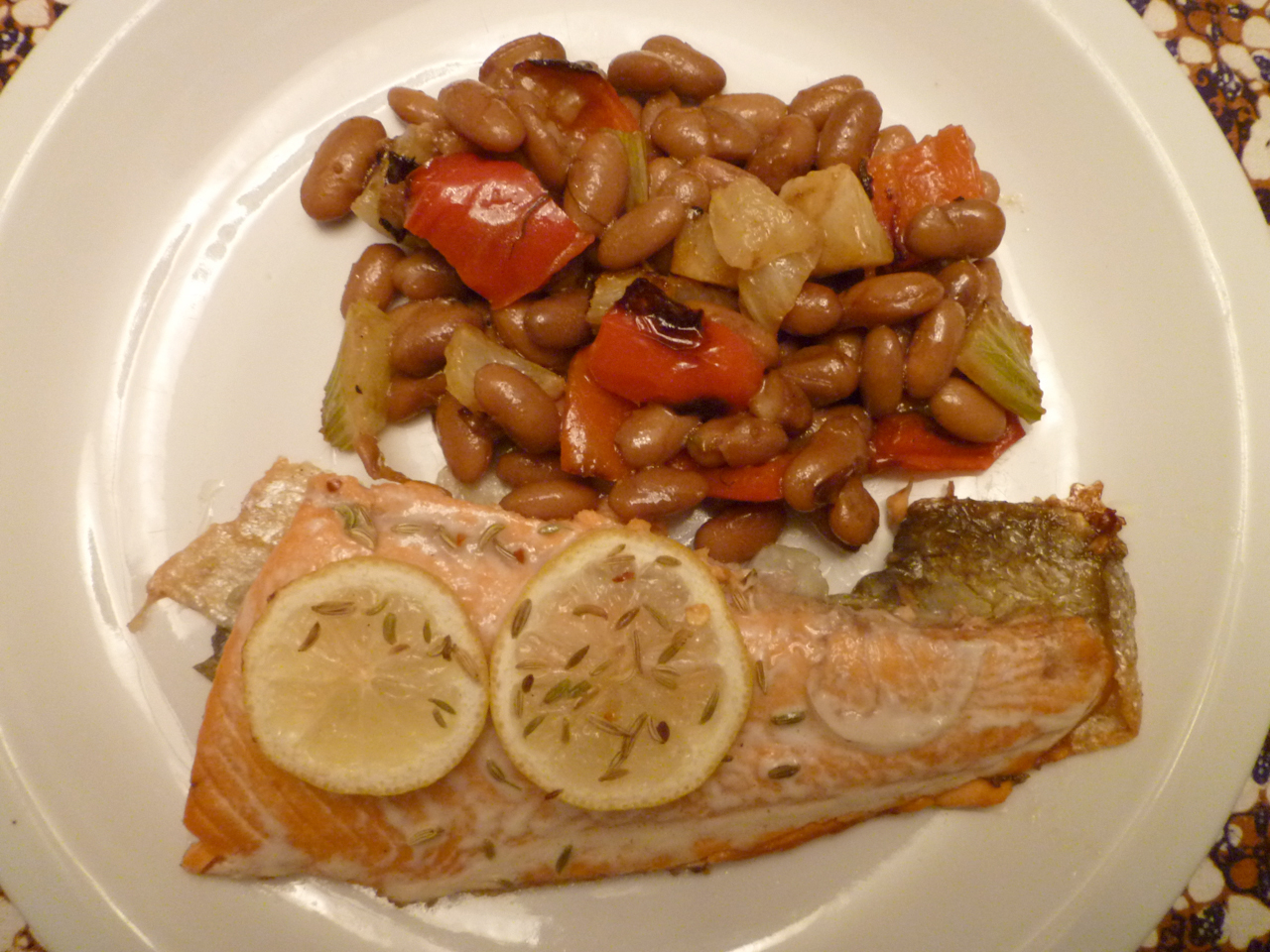
Arikara Beans with Roasted Fennel and Peppers


These Arikara beans from Lonesome Whistle Farm were cultivated by the Dakota Arikara Native Americans and provided sustenance for Lewis and Clark during their Voyage of Discovery. Thomas Jefferson grew them at Monticello, and described them as "one of the most excellent we have had." I had a hankering for roasted fennel, and I thought these creamy beans would make a most excellent accompaniment. 


Rather than discard the fennel fronds, I decided to add them to the bean pot and allow them to infuse the beans as they simmered. I've been cooking dried beans in a slow cooker without any presoaking with excellent results. These ones were tender but still firm after three hours.


I had a red pepper, which I decided to roast along with the fennel bulb for additional caramelized flavor. I tossed these in a generous amount of olive oil, salt, and pepper, and roasted them in a hot oven, making sure to stir occasionally once they started to brown. Meanwhile, I drained about 4 cups of the fennel-infused Arikara beans, reserving the remaining beans and broth for another use.


I removed the pan from the oven when the fennel and peppers were beginning to char and immediately tossed in the beans so that they became coated in the hot oil and caramelized juices of the vegetables.


These beans, with their subtle fennel flavor contrasting with the bold, caramelized vegetable chunks, were a delicious accompaniment to some Salmon People salmon, stashed away from last summer's market, seared  in a hot skillet and finished in the oven.


Arikara Beans with Roasted Fennel and Peppers


2 cups (1 lb) Arikara beans rinsed, or substitute small white kidney beans
4 cups water
1 fennel bulb
1 red pepper
2 Tbsp olive oil
salt and pepper to taste


1. Rinse the fennel bulb and cut off the fronds. Combine the beans and water, layer on the fennel fronds in a slow cooker, and cook on low for about 3 hour until the beans are soft but still firm. The beans can also be cooked on the stovetop, but would require less time and may need more water. When they are cooked, remove the fennel fronds and salt generously. Strain about 4 cups of cooked beans, reserving the remain 2 cups and the bean liquid for another use.


2. Preheat the oven to 450 degrees. Cut the fennel bulb and red pepper into smaller chunks. Toss in a large ovenproof pan with the olive oil and salt and pepper. Roast for about 25 minutes, stirring every 5 to 10 minutes. When the vegetables are soft, caramelized, and starting to char, remove the pan from the oven and immediate stir in the 4 cups of drained beans, scraping the bottom of the pan to mix in all of the caramelized vegetable bits.


Other recipes for heirloom beans:
Jacob's Cattle bean and ham stew
Calypso beans with ginger and black mustard seeds
Ireland Creek Annie bean bruschetta
Lemon and herb Dutch bullet beans
Minty green flageolet beans
Dutch bullet beans and roasted squash soup
Rio Zape beans with toasted chile sauce
Arikara bean gratin
Calypso bean and leek soup

Sunday, October 10, 2010

Thank You from Linda Castleman


Good morning to all of you who follow the Fairmount blog. We wanted to send a warm thanks to Karen for her efforts in bringing creative dialogue and beautiful tasty dishes of inspiration for what might be found at your local farmers market on 19th and Agate.  Also to the folks from the Eugene City Bakery, Ned and DeeAnn, for their support and efforts in making it happen. It was great sharing the corner and good conversation with the dedicated growers of SLO Farm and Lonesome Whistle Farm, and we wanted to thank everyone in the community who bought our salmon and all those repeat customers who supported our first season of bringing our premium product to the market.  Please look for us next year. If folks want to order direct from Alaska during our summer season, you can find us on the web at The Salmon People of Alaska, or you can contact us locally at MelandLinda@yahoo.com. I hope to have our booth set up early next year.  

Hope to see all of you then, 
Linda Castleman

Friday, October 1, 2010

SLTs


The Fairmount Neighbourhood Farmers Market's offerings of delicious heirloom tomatoes from Lonesome Whistle Farm and smoked salmon from the Salmon People have inspired a new favorite sandwich in our household: the SLT.


We discovered that smoked salmon makes a delicious surrogate for bacon in a BLT.  I like it better in fact because the sandwich is less greasy.  Along with their amazing heirloom Ts, Lonesome Whistle Farm had some delicious salad greens for the L, and pumpkin seed Pane Antico from Eugene City Bakery was the perfect bread to serve as the sandwich's foundation.


Salmon, lettuce, and tomato sandwich

Smoked salmon
fresh salad greens
sliced tomato
good bread
mayonnaise

Lightly toast a slice of bread. Spread on desired amount of mayonnaise. Layer on salad greens, sliced tomato, and smoked salmon. Enjoy.